
Repair
What an AI Music Artifact Remover Can and Cannot Restore
Distinguish artifact suppression from missing-detail reconstruction and choose between cleanup, editing, and a different source.
Practical notes on cleaning AI music, reading audio displays, and comparing repairs without losing the character of a track.
Latest guides
Distinguish artifact suppression from missing-detail reconstruction and choose between cleanup, editing, and a different source.

Listen to the source, decay and musical context before removing an unusual tail. Compare stems carefully and protect the space around the phrase.
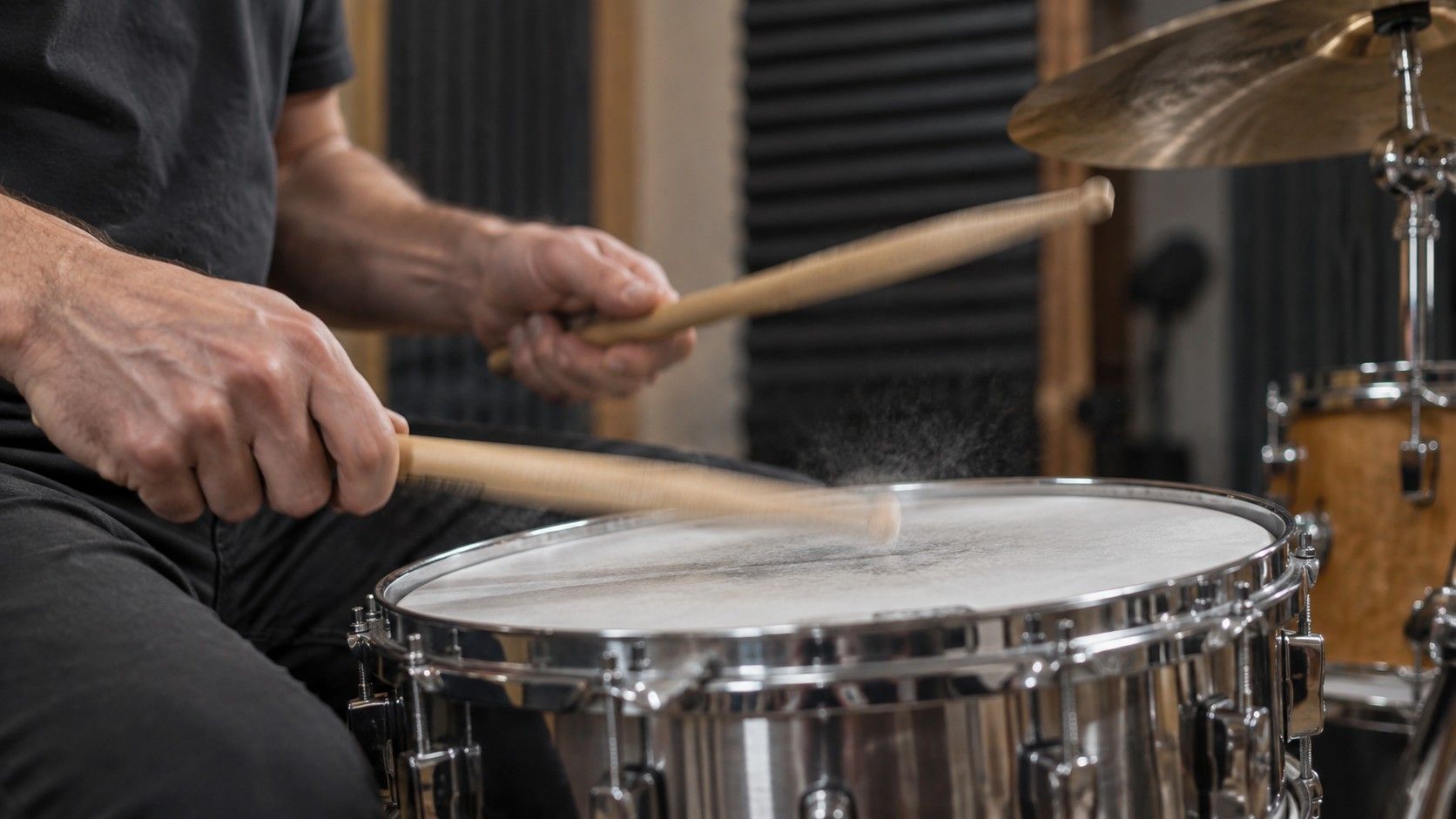
Practical listening checks and restrained editing choices for blurred drum attacks in an AI music mix.
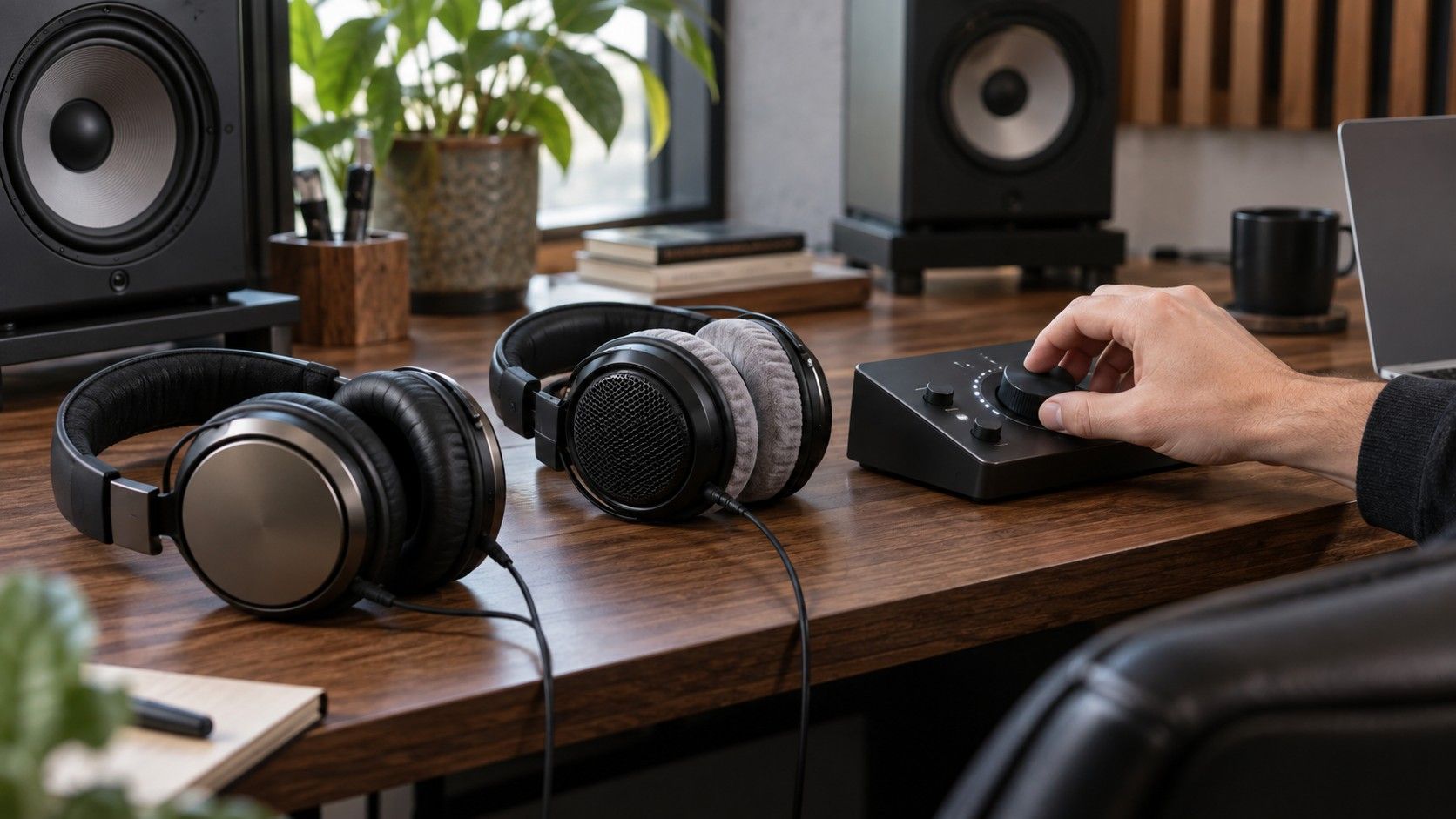
Compare original and cleaned audio at matched levels, check musical damage, and verify the exported version before keeping a repair.

FLAC preserves the audio samples you export without lossy compression. Learn when it fits storage, how it differs from WAV and what to check before handing it over.

Interpret upper-frequency boundaries cautiously and compare matched exports without guessing bitrate, quality or provenance from a screenshot.

Conservative listening and editing checks for noise reduction that damages musical texture.

Diagnose metallic cymbal flutter and test restrained high-frequency control while protecting vocal consonants, drum attacks and musical detail.

Use time, frequency and color scales consistently to locate audio events without mistaking a sharper display for better sound.

Conservative listening and editing checks for cleaning separated music stems and rebuilding the full mix.
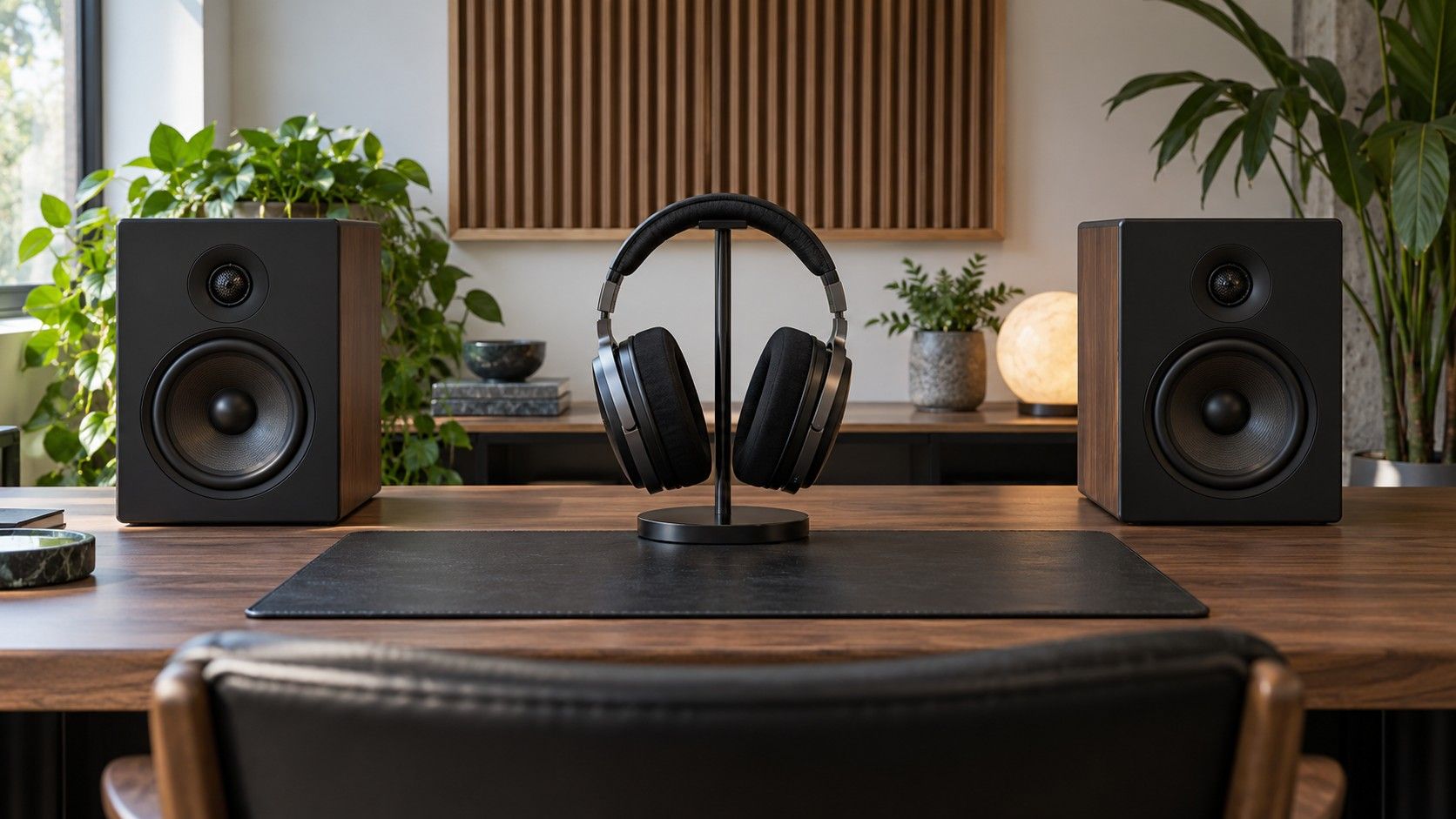
Practical listening checks and restrained editing choices for a shifting stereo image in an AI music mix.

Choose revealing excerpts, compare at equal volume, and separate useful repair from processing damage before changing a Suno track.

Choose a musical starting point, protect the first lyric and decide when an unwanted humming intro needs a new version.
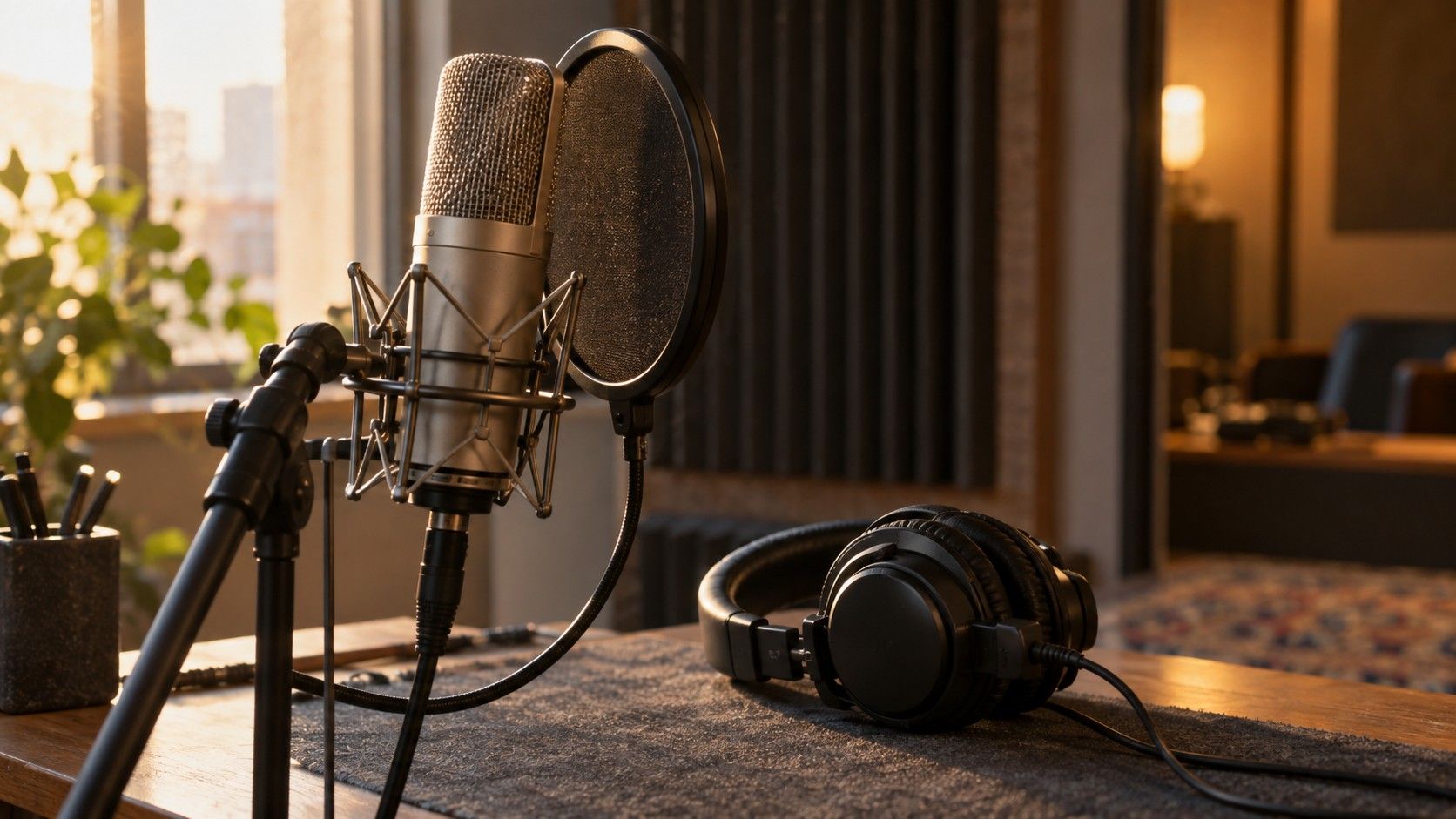
Practical ways to repair unwanted vocal sounds while preserving breaths, musical timing and the original recording.
A reliable WAV export starts with the source and ends with checking the actual delivered file. Protect the original, choose useful settings and avoid preventable clipping.